Relationships
How Do You Know You've Found The One?
Everyone asks it, and the honest answer is gentler and more hopeful than the fairy tale. Here is what actually tells you, according to the research.
By Sekar Updated July 2026 10 min read

It is the question underneath almost every serious relationship, whispered late at night or asked out loud to a patient friend. How do I know if this is the one? We ask it hoping for certainty, some unmistakable feeling that will settle the matter forever. And the honest answer, the one that turns out to be far kinder than the fairy tale, is that it rarely arrives as a lightning bolt. It arrives as a quiet pattern you can learn to recognise.
Before we get to the signs, it is worth taking apart the story most of us were handed, because that story quietly sets couples up to fail.
The myth of the one
The classic idea of "the one" goes like this: somewhere out there is a single perfect person made just for you, and your only job is to find them. Once you do, everything clicks into place and the hard part is over. It is a beautiful story. It is also, in the way it is usually told, a bit of a trap.
The therapist Esther Perel has a sharp observation about modern love: we now ask one person to be what an entire village used to provide, our passion, our best friend, our confidant, our co-parent, our intellectual equal and our safe harbour, all at once. When you layer the soulmate myth on top of that, you get a recipe for disappointment, because no real human can be perfect across every one of those roles.
Psychologists have even measured this. People who hold what researchers call a "destiny" belief, that partners are either meant to be or not, tend to struggle more when problems appear, reading the first serious conflict as proof they picked wrong. People who hold a "growth" belief, that a good relationship is cultivated over time, weather difficulties far better, because they expect to build rather than to have simply found. In other words, the very belief that you must find a flawless one can make it harder to keep a good relationship alive. The healthier question is not "is this person perfect for me," it is "are we deeply well matched, and do we both want to build this."
With the myth set aside, here is what actually tends to tell you that you are with a person worth marrying. Not fireworks. These quieter signals.
1. You like who you are around them
Beyond loving them, notice the version of yourself their company brings out. Are you more open, more generous, more at ease, more yourself? Or smaller, more anxious, always managing? The right person does not complete you, they make more room for the person you already are.
2. You recover quickly after conflict
Every couple fights. What is telling is what happens next. With the right person, the repair comes fast and sincere, a reaching back rather than days of cold silence. The research of Dr. John Gottman found that the ability to repair after rupture is one of the strongest markers of a relationship that lasts. If you fight and find your way back to warmth without scorched earth, that is a very good sign.
3. You can be ordinary together
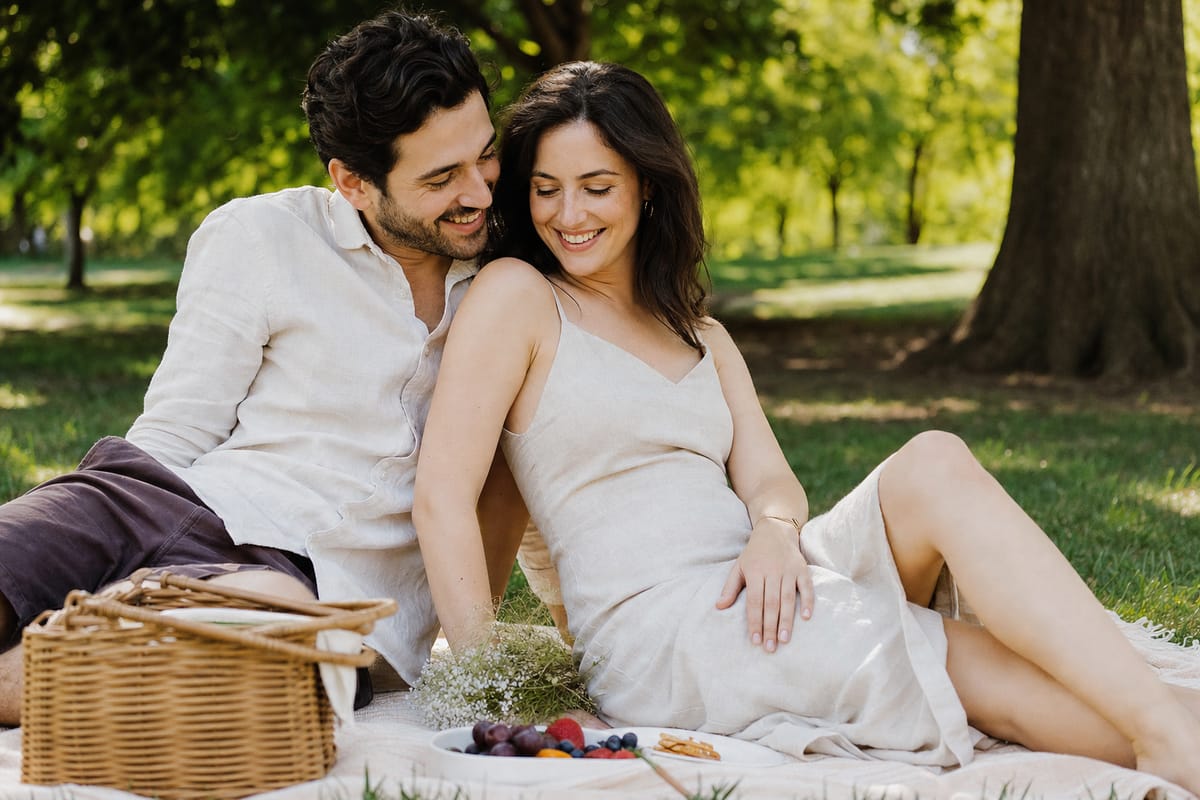
Anyone can be enchanting on a first trip abroad. The real test is a wet Tuesday, a supermarket, a long car journey with nothing to say. If comfortable silence with them feels like home rather than boredom, if the mundane is quietly pleasant, you are looking at something built to last, because most of a life is made of ordinary days.
4. Your values line up on the things that matter
Not your taste in films, your foundations. Children or not, how you treat money, where you want to live, the place of family and faith. You can differ on a thousand small things, but if you are pointed the same way on the big rocks, you have the compatibility that actually predicts a happy marriage. If you clash on the core, no amount of chemistry papers over it.
5. You feel safe being fully yourself
With the right person you can show the unflattering parts, the fear, the mess, the parts you usually hide, and be met with kindness rather than judgement. Dr. Sue Johnson, who developed Emotionally Focused Therapy, describes a strong bond as a felt sense of safety, knowing your partner is there and will reach back when you need them. If you can be wholly yourself and still feel held, that is rare and worth keeping.
6. They turn toward you, again and again
Watch the small moments. When you share something small, a thought, a worry, a silly thing on your phone, do they turn toward you with attention, or brush it off? Gottman found that this everyday habit of turning toward each other's little bids separates couples who thrive from those who drift. A partner who keeps choosing to pay attention, in the tiny moments, is showing you exactly who they will be for decades.
The one is a choice you keep making
Here is the reframe that changes everything. For most lasting couples, "the one" was not a person they found fully formed, doubt-free, glowing at the end of a search. It was a person they were genuinely well matched with, and then chose, and kept choosing, on ordinary morning after ordinary morning. The certainty people describe in long marriages is usually built, not discovered. It grows out of years of turning toward each other and repairing and staying.
Which means you may not need the thunderclap you were told to wait for. If you like who you are with them, if you find your way back after every fight, if your lives point the same way and you feel safe being fully yourself, you may well have found the one, in the only way anyone ever really does. The rest is the beautiful, lifelong work of choosing them again.
And if reading this brought a particular person to mind, and marriage is starting to feel less like a someday and more like a plan, that is a wonderful place to stand. When you are ready to turn it into a day, our guide to planning a Bali wedding is here whenever you want it, and one enquiry is all it takes to begin.